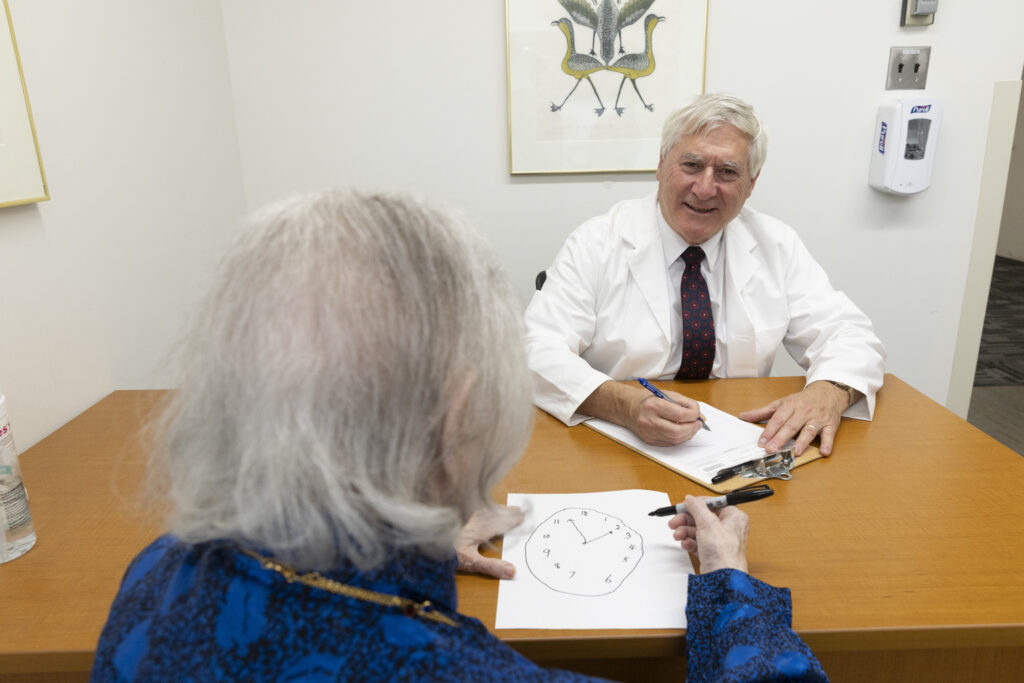
When Dr. Howard Chertkow looks ahead to the future of dementia care and research, the optimism and passion in his voice are impossible to miss.
“I think we’re entering a decade where Alzheimer’s and other forms of dementia will no longer be viewed as untreatable.”
Dr. Chertkow, Scientific Director of Baycrest’s Kimel Family Centre for Brain Health & Wellness and the Canadian Consortium on Neurodegeneration in Aging.
“Earlier diagnosis, better prevention strategies and new treatments mean we can offer people more hope than ever before.”
That optimism is grounded in real progress.
In October 2025, Health Canada approved lecanemab, the first medication in Canada shown to slow the progression of Alzheimer’s disease in people with early-stage symptoms. This milestone signals a shift toward treatments that target the biology of the disease rather than only managing symptoms. While access and infrastructure challenges remain, the approval marks meaningful momentum in how dementia is understood and addressed.
“With emerging treatments like lecanemab and continued innovation in early detection and preventive strategies, we are starting to see a real treatment landscape take shape that wasn’t there even a few years ago,” notes Chertkow.
January is Alzheimer’s Awareness Month and in Canada and this sense of progress is especially important in 2026. More than 770,000 Canadians are living with dementia according to the Alzheimer’s Society of Canada, and that number continues to grow as the population rapidly ages.
While the impact is felt by individuals, families and caregivers across the country, with a Public Health Agency of Canada (PHAC) survey reporting that 74 per cent of Canadian adults reported knowing someone who had or currently has dementia, it is still too often misunderstood or left unaddressed.
Awareness creates space for informed conversation, reduces stigma and helps ensure people living with dementia are met with understanding rather than fear.
Talking openly about dementia matters because understanding shapes experience. It is not simply a medical diagnosis. It is a lived reality that affects identity, relationships and daily life. When conversations are grounded in empathy and evidence, people are seen as whole individuals not defined by their condition. That shift in perspective is essential to delivering care that respects dignity and supports quality of life.
Baycrest is a global leader in aging and brain health, delivering dementia care that is person centred, evidence based and deeply compassionate. That care is informed by world-leading research that continues to advance how dementia is understood, detected and treated and how discoveries are translated into real-world impact for people and families.
Explore the stories of some of the Baycrest people leading this work every day and discover how research, care and compassion are coming together to improve the lives of those living with dementia and those who love them.